Unveiling common myths about casino odds
Understanding Casino Odds
Casino odds are often misunderstood, leading players to form misconceptions about their chances of winning. The odds reflect the probability of an event occurring, and in a casino setting, they are determined by the rules of the games and the house edge. Players should be aware that many options, including the fast withdrawal casino canada real money games, can vary significantly in terms of odds. The house edge is the statistical advantage that a casino has over players, ensuring that while players may win occasionally, the casino profits overall in the long run. Understanding how these odds are calculated can demystify a lot of the allure and anxiety surrounding casino games.
Many players mistakenly believe that a higher payout signifies better odds when, in reality, this is not always the case. For instance, a slot machine that offers a 95% return to player (RTP) can still have a higher house edge than a game like blackjack, which might offer a lower RTP but provide better odds due to strategic gameplay. Thus, it is crucial to look beyond the flashy numbers and appreciate the mechanics behind each game’s odds. This understanding can lead to more informed decisions and potentially enhance the gaming experience.
A further complication arises with progressive jackpots, which can create a sense of false optimism. Many players believe that playing a machine with a large jackpot increases their chances of winning big; however, the odds remain the same regardless of the jackpot size. Hence, understanding casino odds is not just about knowing the numbers but also about recognizing how they play into the broader context of game strategy and player behavior. This awareness can help players set realistic expectations and manage their gambling habits more effectively.
Myths About Player Strategies
One common myth is that players can significantly alter their odds by employing specific strategies or betting systems. Many believe that strategies such as the Martingale system, where players double their bets after losses, can lead to guaranteed wins. Though appealing, this strategy can deplete funds quickly and does not change the underlying odds of the game being played. Gambling is fundamentally about chance, and no strategy can overcome the house edge consistently, leading many to experience frustration when they fail to achieve the desired results.
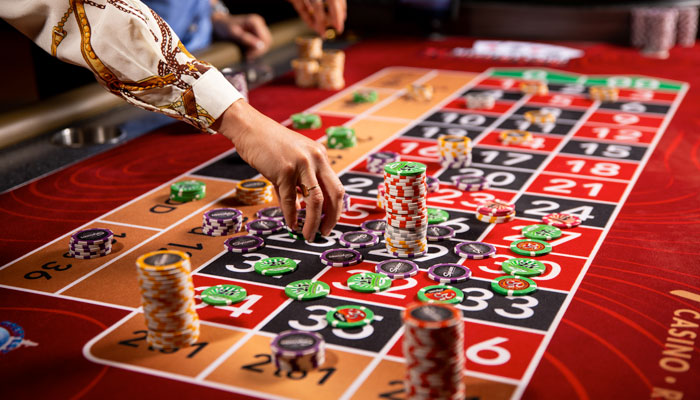
Additionally, players often think that past outcomes influence future results in games such as roulette, leading to the belief in “hot” or “cold” streaks. This misconception feeds into the gambler’s fallacy, where individuals assume that a particular number is due to come up simply because it hasn’t appeared recently. In reality, each spin of the wheel is independent, and the odds remain static. Understanding this randomness is crucial for players to avoid falling into traps of believing they can predict outcomes based on previous events.
Moreover, the belief that certain games are more favorable to players due to skill can lead to misjudgments about casino odds. While games like poker involve skill and can sway odds in favor of an experienced player, many tourists may believe they can apply similar skills in games of pure chance, such as slot machines or keno. This mindset can lead to misguided expectations, emphasizing the need for a clear understanding of each game’s rules and odds. By acknowledging the differences between skill-based and chance-based games, players can approach each game with the right mindset.
How Game Mechanics Affect Odds
Every casino game operates on its own set of rules and mechanics, which directly impacts the odds. For instance, in card games like blackjack, the way the dealer plays and the number of decks used can influence the odds significantly. A single-deck game generally offers better odds for players than multi-deck games, yet many casinos rely on the latter to maintain a higher house edge. Thus, players should consider the variations in rules and choose their games wisely based on the odds that they present. This choice can often dictate how much enjoyment and success a player experiences.
Additionally, electronic gaming machines such as video poker and slot machines often have variable odds that can change based on settings programmed by the casino. The return to player percentages can differ from one machine to another, making it essential for players to research and understand the specifics of each device before playing. Acknowledging these mechanics empowers players to make more informed decisions regarding their gambling choices. By selecting machines with favorable odds, players can enhance their overall gaming experience and potentially improve their chances of winning.
Furthermore, the importance of payout structures cannot be overstated. For example, a slot machine with a higher denomination may yield better odds due to the increased investment per spin compared to lower-denomination machines. Players often overlook this detail, assuming all machines of a similar appearance offer the same odds. Understanding these nuances can enhance a player’s strategy and overall experience when engaging with casino games. By being vigilant and informed, players can navigate the complexities of casino gaming more effectively.
The Role of Randomness in Casino Games
At the core of casino games is randomness, which is often misunderstood by players. Each game is designed to be unpredictable, and casinos utilize random number generators (RNGs) to ensure fairness, especially in electronic games. Players may erroneously believe that past results can influence future outcomes, but randomness guarantees that each outcome is independent of the last. This understanding reinforces the need for a solid grasp of chance in gambling, allowing players to approach games with realistic expectations about their odds of winning.
This randomness is what makes games exciting, but it can also lead to frustration for players who may not fully appreciate how it operates. That frustration often comes from the illusion of control; many players feel they can influence the outcome through betting patterns or superstitions. However, understanding that they are at the mercy of chance can help players manage their expectations and approach gambling in a healthier mindset. Recognizing the lack of control can also reduce anxiety and enhance enjoyment during gameplay.
Moreover, the psychological effect of randomness can lead to the phenomenon known as “near misses.” Players might feel that they were close to winning when they see symbols almost lining up on a slot machine. This feeling can mislead them into believing that a win is imminent, overshadowing the reality of the odds and the mathematical improbability of the outcome. A deeper understanding of randomness can help mitigate these misconceptions and lead to more responsible gambling practices. By being aware of these psychological triggers, players can foster a more balanced approach to their gaming experience.
Resources for Educating Yourself on Casino Odds
For those seeking to learn more about casino odds, numerous resources can provide valuable insights. Online platforms dedicated to gambling education offer comprehensive guides, explanations of game mechanics, and strategies that can help players make informed betting decisions. By engaging with these resources, players can enhance their understanding of odds and the various factors that influence their gambling experience. Gaining knowledge in this area can lead to more enjoyable and potentially more profitable gaming sessions.
Books and articles authored by gambling experts also delve into the intricacies of casino mathematics and psychology, providing readers with a deeper understanding of how odds operate. These materials can demystify many of the myths surrounding casino odds, offering guidance on how to approach gambling more strategically and responsibly. Investing time in reading and learning can pay off by improving decision-making skills and overall enjoyment of casino games.
Additionally, many websites offer interactive tools and simulations to help players practice their skills and understand odds better before placing real bets. These resources empower individuals to get hands-on experience without financial risk, increasing their confidence and knowledge as they navigate the complex world of casinos. Understanding the odds is not just about luck; it’s also about being informed and prepared. This preparation can significantly impact a player’s gambling journey, making it both more enjoyable and sustainable in the long run.